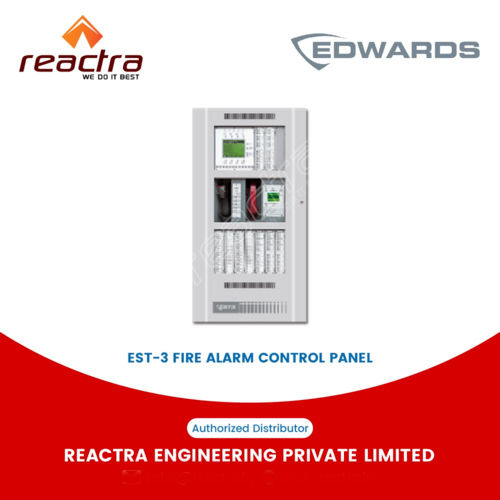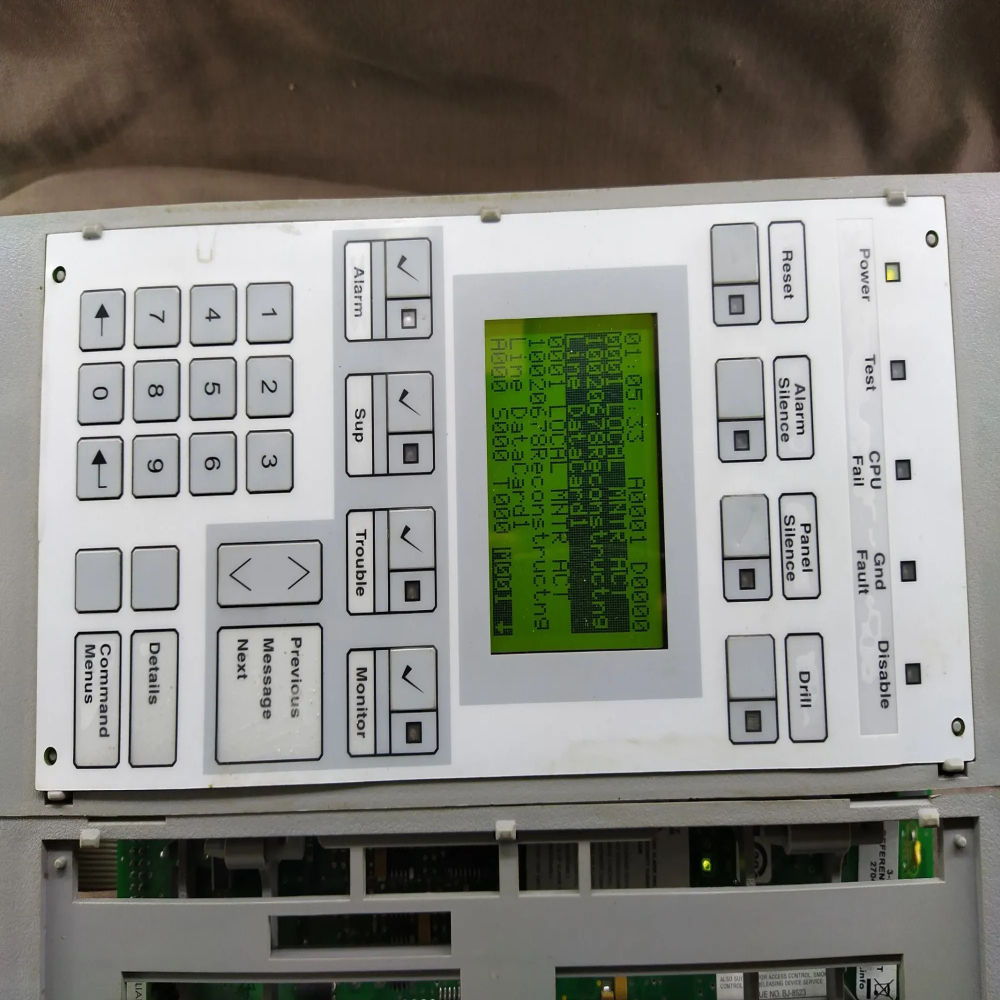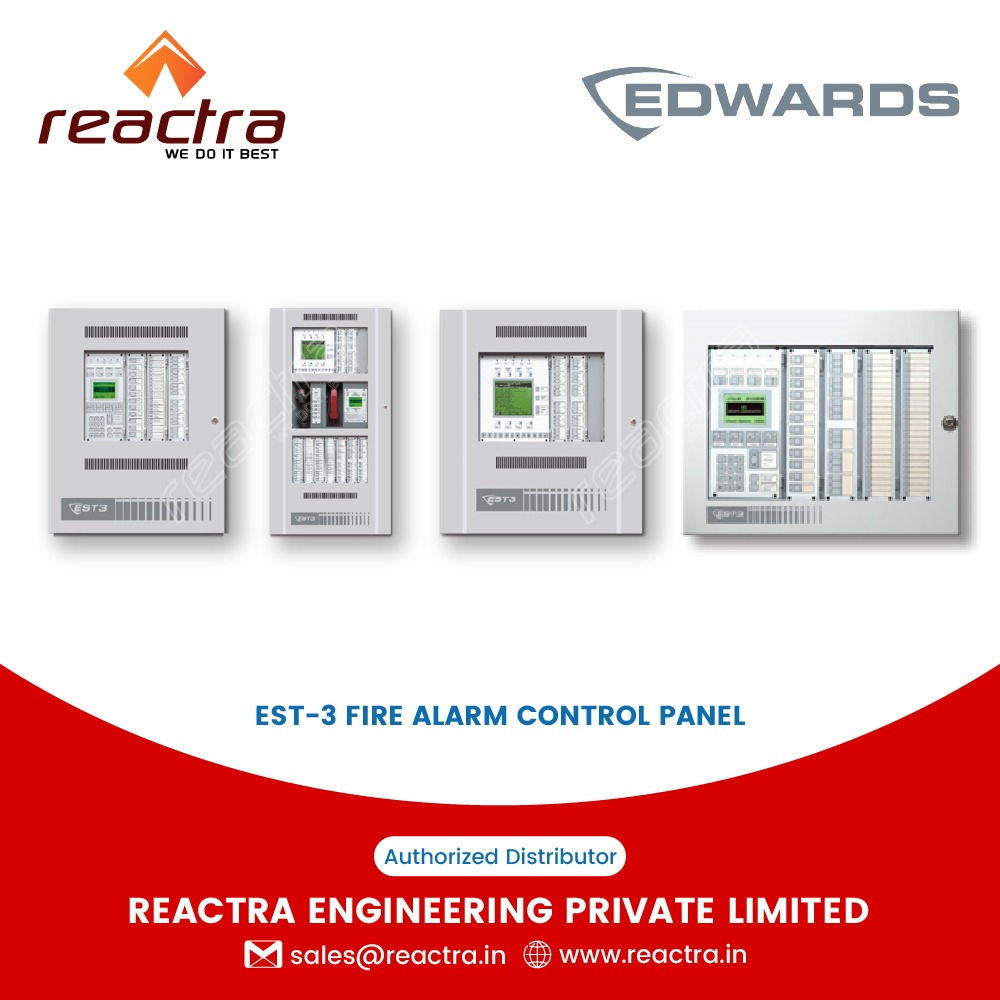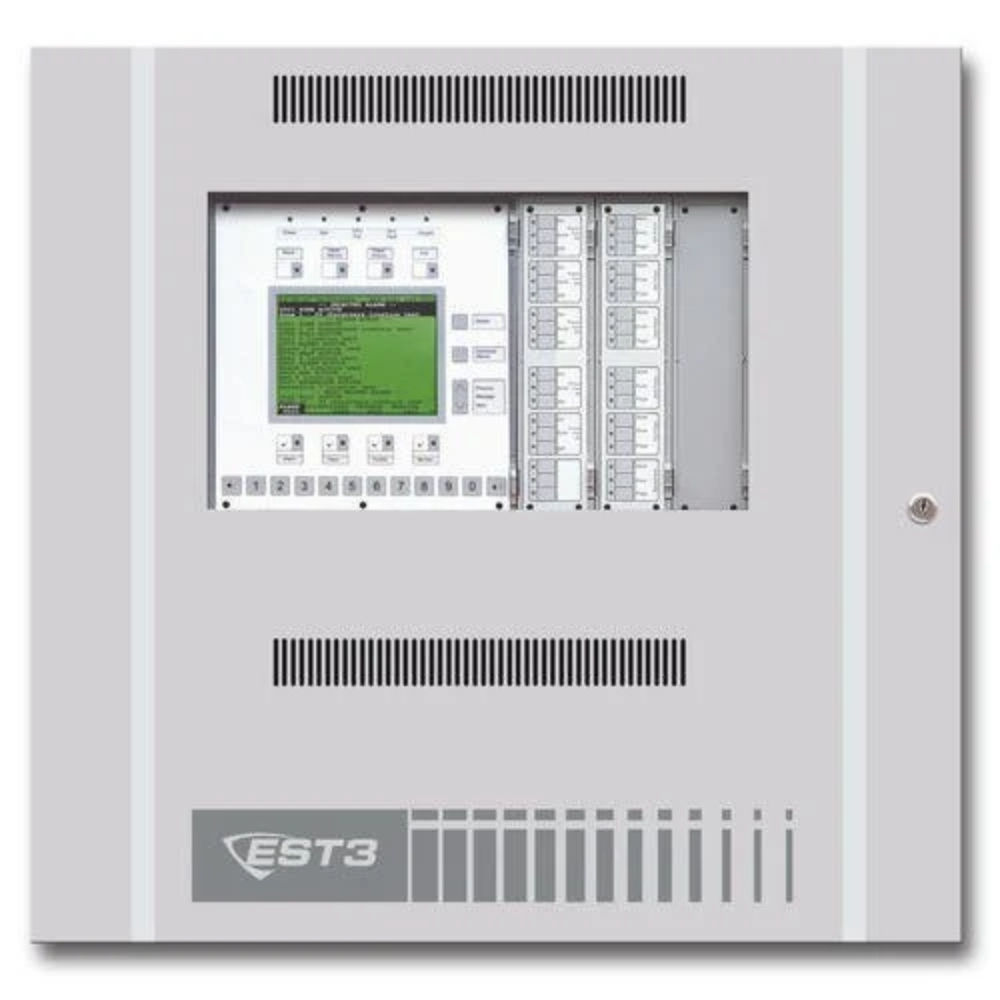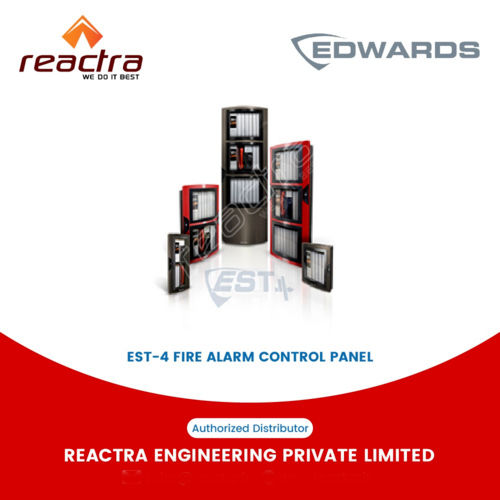
About Est3 Fire Alarm Control Panel
EST3 is a modular control platform uniquely designed to meet
the needs of applications ranging from standalone single panel
fire alarm systems to multi-panel networks with unified fire alarm,
security, access control and Mass Notification functions. Each
function uses many of the same components, simplifying system
layouts.
Virtually all EST3 operating features are software-controlled. A
powerful System Definition Utility program helps define system
operations in a fraction of the time required by previous meth-
ods. This gives EST3 great site flexibility and ensures operational
changes and upgrades will be possible years after the initial instal-
lation.
EST3 is uniquely designed to meet the life safety needs of any size
facility. The function of each panel can be customized by using an
extensive selection of plug and play local rail modules.
Scalable and Modular DesignThe EST3 panels modular architecture makes it ideal for evolving facilities. Easily add more loops or expand coverage up to 250 zones as your project requirements grow. Its robust cabinet, powder-coated for durability, ensures a reliable installation in various commercial settings.
Advanced Monitoring and LoggingEquipped with a user-friendly 4x40 LCD display and a generous event memory of 10,000 records, the EST3 offers real-time status updates and comprehensive logging. This ensures incidents are accurately documented for compliance and makes audit or troubleshooting processes more efficient.
Reliable Performance and SafetyThe EST3 operates within a wide temperature range and high relative humidity, ensuring dependable operation in diverse environments. With automatic battery backup, integrated charging, and network capability, it provides continuous fire detection even during power outages, enhancing overall safety.
FAQs of Est3 Fire Alarm Control Panel:
Q: How does the EST3 Fire Alarm Control Panel accommodate future expansion?
A: The EST3 utilizes a modular, expandable design to support up to 8 loops and 250 addressable zones. This allows you to start with a basic system and easily add extra modules or zones as your facility requirements evolve without needing to replace the entire control panel.
Q: What communication protocols and connectivity options are available for networking?
A: The EST3 employs a proprietary EST3 protocol and offers flexible connectivity through RS-232 and RS-485 ports. This enables integration with larger building management systems, remote monitoring, or networking multiple panels across facilities.
Q: Where is the EST3 Fire Alarm Control Panel typically installed?
A: The panel is designed for wall or surface mounting and is suitable for a broad range of commercial and industrial environments. Its powder-coated steel cabinet enhances protection against corrosion, making it appropriate for demanding locations.
Q: What is the process of retrieving event logs from the EST3 system?
A: Event logs, with a capacity of up to 10,000 records, can be accessed directly via the LCD display for review. Networked installations may also allow logs to be downloaded or monitored remotely for compliance or incident review purposes.
Q: How does the EST3 maintain operation during power outages?
A: The system features automatic battery backup with an integrated charging circuit. This ensures the fire alarm panel continues to operate reliably during mains power failure, preserving critical monitoring and alarm functions.
Q: What are the main benefits of using a microprocessor-based control system in this panel?
A: A microprocessor control system provides superior processing power for fast response times, complex logic operations, and reliable event handling. It enhances the accuracy of detection, reduces false alarms, and enables advanced diagnostics and network functionality.
Q: When should maintenance be performed on the EST3 panel, and what does it involve?
A: Routine maintenance should be carried out as per the manufacturers guidelines or regulatory requirements, typically every six months. It involves checking the battery, verifying system operation, reviewing event logs, and ensuring modules, wiring, and display are in proper working condition.